

TCA Cross Singapore: Efficacy and Potential in Treating Atrophic Scars
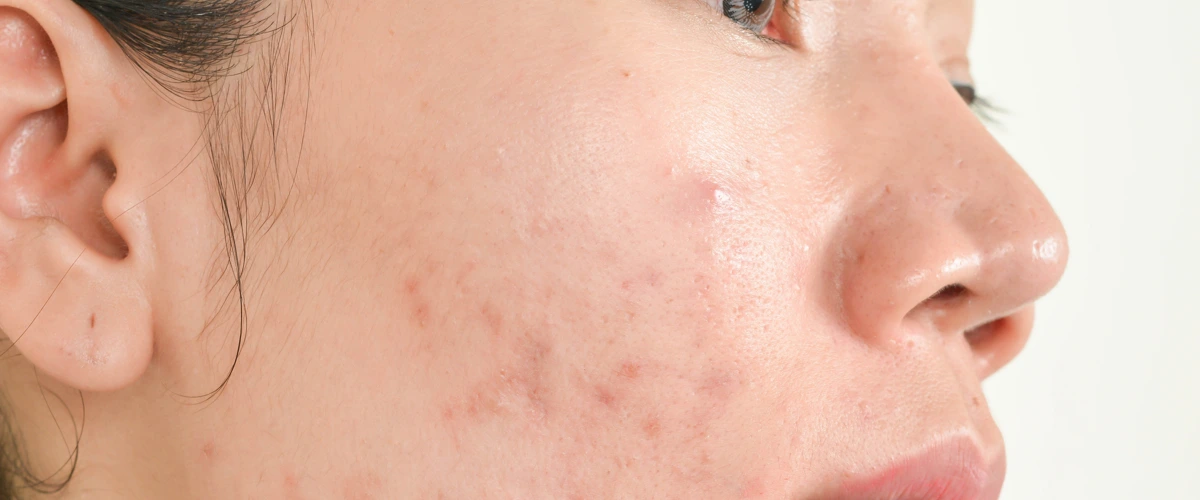
Treating acne scars often calls for a method matched to the specific scar type. One technique that has drawn considerable research attention and shown favourable outcomes is Trichloroacetic Acid Chemical Reconstruction of Skin Scars (TCA CROSS). This procedure is particularly effective for certain types of acne scars and skin surface irregularities.
What Is TCA CROSS?
TCA CROSS is a technique that utilises high concentrations of Trichloroacetic
Acid (TCA), typically 70% to 100%, applied focally to treat certain types of
acne scars and skin conditions. The word 'CROSS' in TCA CROSS stands for
"Chemical Reconstruction of Skin Scars", and the technique involves using a
small applicator to apply the TCA to the scar or skin irregularity.
This treatment triggers a controlled inflammatory response in the skin, which
stimulates collagen production and promotes remodeling of the
scar. The TCA solution causes protein coagulation, leading to
localised necrosis, which then initiates an inflammatory response and subsequent
wound healing cascade. Over time, the appearance of the treated scar or
skin condition can be improved significantly.

Who Is a Candidate for TCA CROSS?
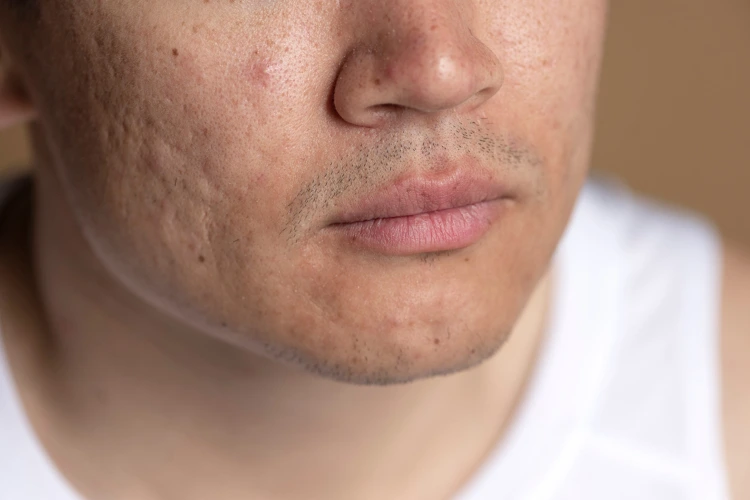
TCA CROSS is particularly effective for treating atrophic acne
scars, which are often difficult to treat with conventional acne scar
treatment techniques. These scars are typically small but deep, with
steep edges. Ice-pick scars and boxcar scars are two common types of atrophic
scars that respond well to TCA CROSS. Broader, shallow rolling scars often
respond better to subcision for
tethered rolling scars, and a doctor may combine techniques for the best
overall result.
Results depend heavily on who is treated. Individuals with lighter skin tones tend to have
the best results because there is a lower risk of post-inflammatory
hyperpigmentation. People with darker skin types can still be treated, but they
should be made aware of the potential risks.
Procedure and Results
During a TCA CROSS procedure, the high-concentration TCA is applied directly to
the scar using a small applicator like a toothpick. The solution is left to dry,
and the patient can wash it off after a few hours. The treated area may appear
frosted initially, then darkens and forms a crust that falls off after a few
days, revealing new skin beneath.
Results can vary based on the individual and the severity and type of the
scarring, but generally, improvements can be seen after a single treatment, with
further treatments potentially leading to even better outcomes. It's common to
require multiple sessions, typically 3-6, spaced 3-4 weeks apart.
Potential Side Effects
While TCA CROSS is generally safe, as with any treatment, there are potential side effects. These may include swelling, redness, crusting, and post-inflammatory hyperpigmentation, particularly in those with darker skin tones. However, these are typically temporary and resolve over time. There's also a risk of scarring from the treatment itself, but this is rare, particularly when the procedure is performed by a trained professional.
Chemical Peels at Medical Aesthetics
At Medical Aesthetics, we perform different varieties of chemical peels for acne scars, with varying levels of intensity and effectiveness. We are able to perform the TCA CROSS procedure for our patients. If you would like to find out more, please talk to our friendly doctor and staff.
Conclusion
TCA CROSS is a promising, minimally invasive treatment for atrophic acne scars and other deep, narrow skin irregularities. The procedure has a good safety profile and can significantly improve skin texture and appearance. However, as with any dermatological treatment, it's essential to have a thorough consultation with a doctor to discuss potential risks and ensure it's the right treatment for your specific condition and skin type.