

Last updated: Jun 16, 2026
What Are Warts?

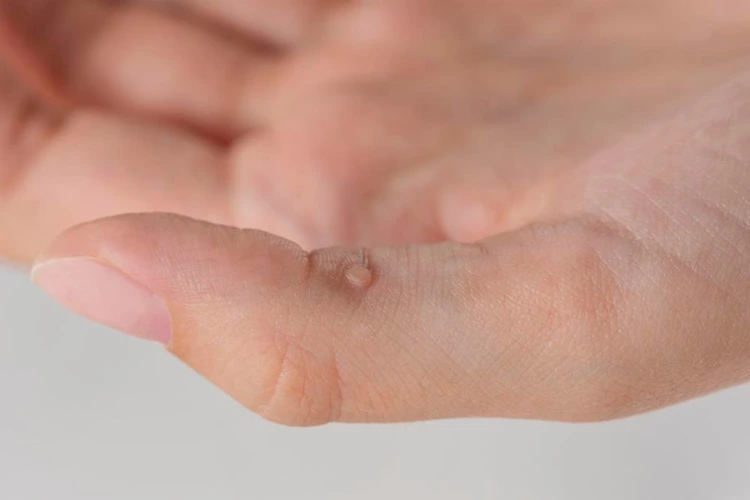
Warts are small, fleshy growths caused by the human papillomavirus (HPV), and while usually harmless, they can be uncomfortable and a source of self-consciousness. They form when HPV enters through tiny breaks in the skin and prompts cells to multiply rapidly, creating a raised, rough-textured bump.
Their size, shape, and appearance vary with the HPV strain and the part of the body affected, and the main types include common, plantar, flat, and genital warts. Because warts are contagious, they can spread through close contact to others, including children and family members.
WhatsApp Us Now
How Do Viral Warts Spread?
- Touching a Wart Directly: Direct contact with a wart on someone else's body can transmit the virus.
- Touching a Contaminated Surface: Coming into contact with objects like doorknobs, clothes, or towels that have been used by someone with warts.
- Sexual Activity: In the case of genital warts, they can spread through sexual contact.
- Nail Biting: Spreading the virus to the face and mouth area through biting nails that have been in contact with warts.
- Shaving: Spreading the virus to other parts of the body, especially if shaving over a wart, potentially causing cuts and abrasions which can become new sites for warts.
- Shared Personal Items: Using shared personal items like razors, socks, or shoes that might have come into contact with warts.
Risk Factors for Developing Warts
Weak Immune System
A weakened immune system makes it harder for the body to keep HPV in check, so the virus can take hold and trigger warts more easily. This is why people with conditions such as diabetes, those on immunosuppressant medication, and patients undergoing certain treatments tend to develop warts more often and may find them slower to clear.
Young Age
Children and teenagers are more prone to warts because their immune systems are still developing and have had less exposure to HPV. Frequent skin-to-skin contact at school and during sports, combined with small cuts and scrapes, also gives the virus more chances to spread.
Skin Trauma or Existing Skin Condition
HPV enters the body through breaks in the skin, so cuts, abrasions and other minor injuries raise the risk of warts. People with skin conditions such as eczema are also more vulnerable, as a compromised skin barrier and frequent scratching create open areas that make it easier for the virus to enter.
Close Proximity
Warts are contagious, so spending time close to others who have them, such as family members or classmates, increases the likelihood of catching the virus. It can spread through direct skin contact or indirectly through shared personal items like towels, footwear, razors and stationery, as well as damp surfaces such as swimming pool decks and changing rooms.
Treatment Options for Wart Removal
At Medical Aesthetics, we provide a variety of options to treat warts, including minor skin surgery to excise stubborn lesions:
Excision
Excision is a minor surgical procedure in which the wart is cut away under local anaesthesia, often together with cauterisation to seal the area and reduce the chance of regrowth. It is well suited to larger or persistent warts that have not responded to other treatments, and it allows the lesion to be cleared in a single session.
Laser Treatment
Laser treatment uses a focused beam of light to heat and destroy wart tissue, including the small blood vessels that supply it. It offers a precise way to target stubborn or hard-to-reach warts while limiting damage to the surrounding skin.
Wart Removal Topical Medications
Topical treatments such as salicylic acid and prescription antiviral or wart-removal preparations are applied directly to the wart to gradually break down the affected skin. This approach is typically used for smaller or more superficial warts and may require consistent application over several weeks.
We also offer related procedures for other benign growths, including skin tag removal and mole removal.
What Should I Expect After Undergoing a Procedure to Remove Warts?
Typically, the healing process lasts from one to two weeks. During your recovery, you can return to
most daily routines, such as taking showers and exercising. However, it's important to steer clear
of swimming and direct exposure to sunlight at first to avoid risks like slow healing or pigmentation
issues. It's usually safe to apply light makeup a couple of days after the treatment.
Our doctor and team will give you comprehensive and personalised guidance for
aftercare to ensure a
smooth recovery.
Wart Removal: Before and After Photos
Owing to the regulations of The Ministry of Health (MOH), we are unable to publish before and after photos on our website. However, you may view these photos during your consultation with our doctor to understand more about the treatment you seek.
Why Choose Dr Robert Ong's Wart Removal Treatment in Singapore?
The Medical Aesthetics Track Record
Patients Consulted Since 2002
Years of Experience
Google Reviews
Experienced & Friendly Doctor
Dr Robert Ong listens attentively to your concerns and patiently discusses with you the appropriate treatment options, based on over 20 years of medical and aesthetics experience.
Affordable Treatments
We are priced competitively and affordably. We also have a variety of treatment options depending on your budget and requirements.
Safe & Effective Results
Our treatment options are safe, effective and promotes natural healing for your skin. We strive to keep your experience a comfortable one and will minimise any pain or discomfort, if any.
Wart Removal Singapore Price
The expected cost of your wart removal surgery is expected to range from $163.50 to $817.50, depending on the number of warts and difficulty. We have broken down the prices as follows for full transparency and better budget planning.
| Treatment | Price* |
|---|---|
| Consultation | From $38.15 to $70.85 |
| Removal of Warts | From $163.50 |
| Triamcinolone Injection | From $163.50 |
| Stitching | From $381.50 |
*Prices are NETT and inclusive of GST.
All patients are required to undergo a consultation with our doctor to assess his or her
suitability for the relevant treatment(s).
How Do I Book a Wart Removal Appointment?
Book Wart Removal
Book Now
Enquire More Through Email
Email Us Now
Enquire More Through WhatsApp
WhatsApp Us Now